At one point, vaping seemed unstoppable inside schools. Students would sneak into the bathroom between classes to inhale flavored nicotine vapors and THC. Administrators and teachers were powerless until districts began to turn to the latest line of defense that was the vape detector.
Today, schools all over the country report major success stories that show how technology can help transform the vaping epidemic.
A Case Study: Reducing Vaping by 83% in 10 Weeks
Luling Independent School District faced an extremely serious issue with smoking. Despite the warnings of school authorities and the implementation of more stringent policies, some students still used to smoke in the locker room. Smoke alarms aren’t effective against vapors, and the staff were unable to be everywhere at one time.
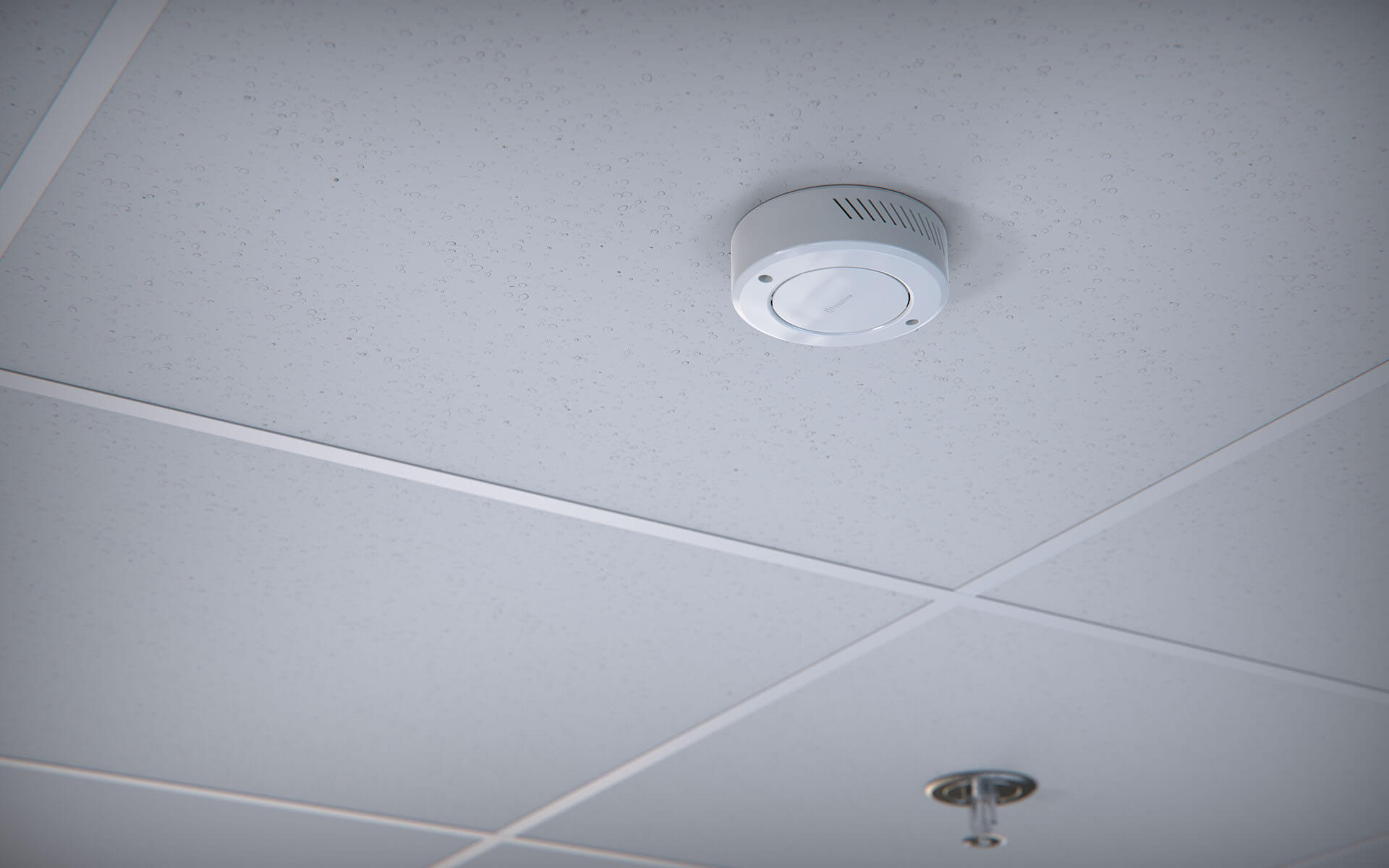
The district tested several vape detectors in March. The results were impressive. Within just five weeks smoking vapes had slowed significantly. In the span of ten weeks the number of vapers had plummeted by 83%.
The effectiveness of the program did not stop at numbers. Teachers reported fewer disruptions, and students started to realize the fact that vaping could not be a secret.
Match Charter School Experiences Similar Success
Another excellent example is the Match Charter Schools, which struggled with both high school and middle school smoking. The effect of the vape smoke detectors they installed in August was immediately felt.
In December, just four months later, the administrators announced the 80% reduction in the number of vaping incidents per week. Parents were elated at the school for taking concrete steps to safeguard children. Teachers also noticed less hallway loitering, and bathrooms crowded.
Both districts are part of a rising trend. Schools that implement vape detection have seen significant gains in their behavior as well as safety.
What is it that makes vape detectors so effective?
The secret to these results lies in the technology itself. Vape detectors of today don’t just sense vapor; it also monitors air quality it monitors occupancy, and gives staff real-time notifications. This means that administrators don’t have to rely solely on their intuition and post-fact reports.
In addition than that, detectors are built with the privacy of the user in mind. No cameras. No audio recording. Only precise, instant data that helps schools act quickly without compromising student rights.
This combination of efficacy and compliance make vape detectors among the most useful security tools that schools can use today.
Safety nets for Vaping and beyond
What many managers do not realize is detectors aren’t only for vaping prevention. The most recent systems can detect loud noises and keywords which are connected to vandalism and emergency situations.
For instance, if a group of students starts lingering in bathrooms then the detector may flag the high occupancy. If someone shouts a distress keyword like “help,” staff can be alerted immediately. In this way, vape detectors for schools become part of a larger safety strategy one that addresses both health risks and potential violence.
Why Parents and Boards Support Vape Detectors
Transparency brings with it a credibility that is often ignored. Schools that use detectors are able to generate reports that clearly demonstrate trends in vaping activity. These reports are distributed to school board members, parents and other community members, giving evidence of the fact that actions are being implemented.
Parents, in particular, appreciate tangible results. Smoke detectors for vapes aren’t just a way to catch students, it’s keeping their health in check and spreading the idea that smoking vape is not a good idea in schools.
What you should take away What you should take away: A proven way forward
The past few years, vaping was thought like a war invisible to schools were unable to win. However, studies of districts across the country prove contrary. With a Vape Detector, administrators can quickly spot any incidents and discourage dangerous behavior and provide a safe learning environment for students.
Vaping remains a major issue but it’s evolving. Vape detection technology isn’t only an attempt to solve the issue, but an opportunity for schools take the lead in creating better health for their students.
Conclusion
Technology is being used in schools across Texas to Massachusetts. A modern vape detector does more than just sound an alarm. It transforms behavior and builds trust. It provides a lasting solution to one of the most pressing health issues for students. Vape detectors at schools are not an experiment for any school district that cares about the safety of students. They’re now the standard.