The modern farming landscape is experiencing dramatic changes, brought on by technological advancements that promise to boost productivity and efficiency. Among these innovations, agriculture drones have been deemed game changers, particularly in the realm of crop management. These drones have been specifically developed for agricultural use and offer farmers the opportunity to lower expenses for labor, enhance precision in spraying as in addition to increase yields of crops.
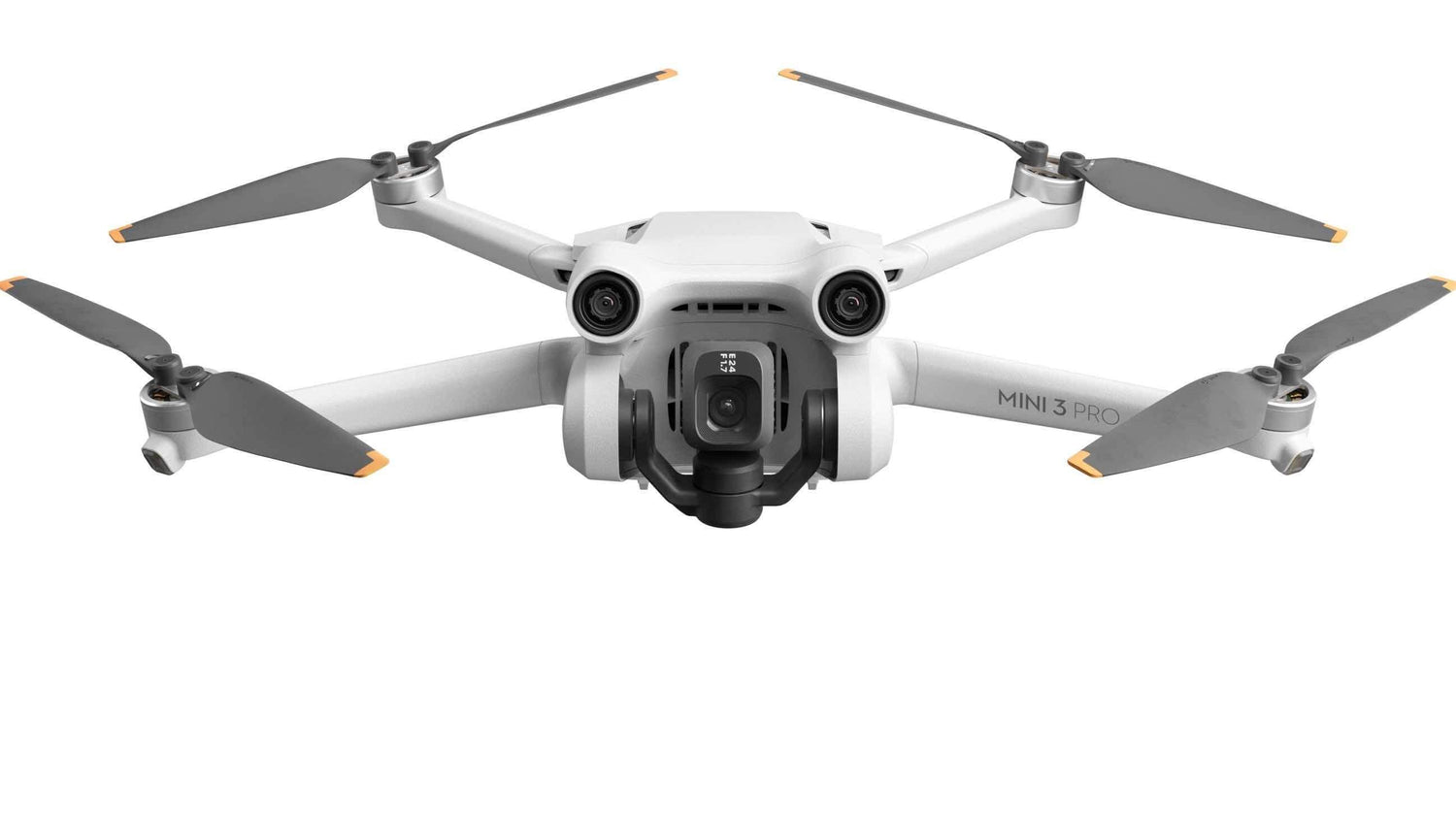
The Rise of Agriculture Drones
Drones for agriculture, commonly referred to as sprayer drones, are fast become important tools in the farming industry. These drones are equipped with the latest technologies that allow to perform various tasks including spraying pesticides and herbicides on large areas of crops. As opposed to conventional methods, agriculture drones are extremely precise and ensure that the correct quantity of product is sprayed precisely where it is needed while minimizing waste and reducing the environmental impact.
The use of drones for agriculture is especially advantageous for large-scale farming operations, which require manual spraying of crops, and can be time-consuming and labor-intensive. With the capability to efficiently and rapidly cover vast areas efficiently, drones help farmers cut back on time and effort and allow them to concentrate on other aspects of farm management.
The 20L Drone is a combination of efficiency and precision.
The 20L Agriculture Drone is a versatile and efficient sprayer drone designed for farms with areas of crop that range from 200 to 1,000 acres. The drone comes with a 20-liter capacity tank that makes it perfect for farms with medium-sized areas that require frequent spraying but do not require the capacity of a drone with a 30L capacity.
The light weight design helps with maneuverability, and the drone’s battery system is not as stress-stricken. Foldable arms make it easy to transport and deploy the drone when in the field. This can be helpful to farmers that need to move quickly between fields on their property.
The 20L Agriculture Drone is equipped with the ability to remove a medicine cabinet that can be quickly removed and a battery system that simplifies the refilling and charging process. This minimizes downtime during operations, enabling farmers to maintain a consistent spraying schedule. In addition, the drone comes equipped with radar and FPV cameras, which give real-time feedback and enhance the precision of spraying tasks. These cameras offer enhanced control and monitoring capabilities, which is particularly beneficial to entry-level users.
The 30L drone for agriculture is powered by power and has capacity for large-scale farms
The 30L Agriculture Drone is the perfect option for farms that are larger. This sprayer drone’s 30-liter tank is specifically designed to meet the needs of large agricultural areas. It also comes with greater payload capacity than the previous 20L model. The bigger tank capacity permits the drone to cover a greater areas in a shorter amount of time.
The 30L Agriculture Drone has a lightweight and strong frame that decreases the dead weight while keeping its strength and resistance to impact. This design ensures that the drone can stand up to the demands of large-scale farming operations and other operations where durability is essential. The 30L Agriculture Drone, like the 20L model, comes with foldable arms and a pluggable system to the tank and it is also portable.
One of the standout features of the 30L Agriculture Drone is its ability to operate in various modes, including fully autonomous flight. This feature permits drones to fly pre-programmed paths which guarantee consistent and precise spraying of large fields. Farmers who have several tasks may find the autonomous mode extremely beneficial, since they can let their drone do its job without supervision.
What are the implications of drones that spray crops on farming?
Agriculture drones have had a major impact on agriculture, especially the 20L and 30L model. These drones reduce costs of operations by automating the spraying process. These drones have also improved crop management by allowing for more precise spraying, which leads to healthier plants as well as higher yields.
In addition to their economic benefits, drones can also aid in environmental sustainability. Sprayer drones cut down on fertilizer and pesticide usage because they ensure that chemicals are only applied when they are needed.
You can also read our conclusion.
Drones for agriculture, such as the sprayer 20L and 30L drones, represent the future of farming. With their cutting-edge capabilities as well as their efficiency, flexibility, and other features they can assist farmers overcome the challenges in modern agricultural. When managing a medium-sized farm or a huge-scale operation, investing in an agriculture drone could lead to substantial gains in efficiency, savings, as well as environmental stewardship. As technology continues to advance, agriculture drones will undoubtedly have a growing role in the sustainability of farming.